
How Much Does a Cost Segregation Study Cost? Three Quotes on One Duplex: $495 to $9,500.
Three 2026 quotes on the same $450,000 duplex came in at $495, $3,800, and $9,500. The expensive one found $7,200 more deduction, worth $2,304 of tax, for $9,005 more in fees.
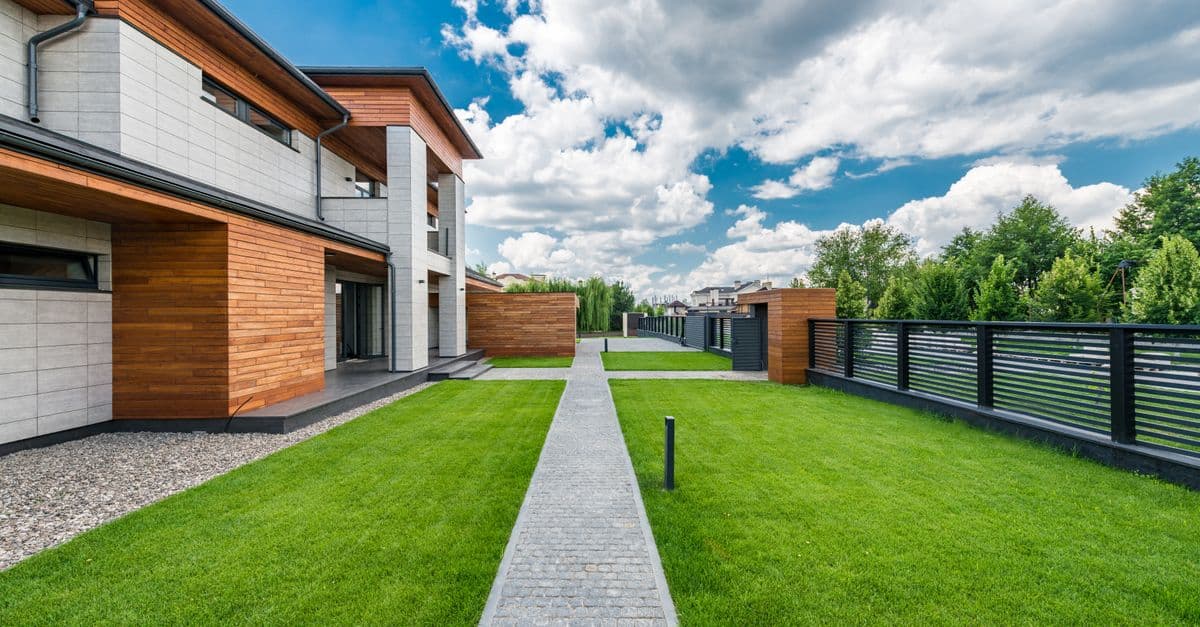
A rental owner shopping a cost segregation study on one duplex can collect three quotes in an afternoon: $495, $3,800, and $9,500. Same $450,000 building, same scope in the sales language, and roughly the same deduction promised in all three. Nobody selling a study answers the only question that matters there: how much a cost segregation study should cost on a property like that, and what the extra $9,005 buys.
How much does a cost segregation study cost in 2026?
Residential pricing sorts into three tiers, and the tiers are methods rather than service levels. All three produce a carve-out: the slice of the building's cost pulled off the 27.5-year schedule into five-year and 15-year classes. At $495 to $1,500 you get an automated study: you upload the closing statement, the purchase price, and some photos, and a model allocates the basis. Nobody visits the property, and on the cheapest products nobody with construction experience reviews the output.
At $2,000 to $5,000 you get an engineer-reviewed desktop study. Still no site visit, but a person who estimates construction costs for a living builds the takeoff from your photos, the county records, the appraisal, and the closing statement, then signs it. At $5,000 to $15,000 and up you get the full engineering study with a site inspection, a tier built for commercial buildings and new construction, where the contractor's actual cost records exist to work from.
- Purchase price, placed in service 2026
- $450,000
- Depreciable basis after a 20% land allocation
- $360,000
- Quote A, automated model, no site visit
- $495
- Quote A carve-out to 5-year and 15-year property, 20% of basis
- $72,000
- Quote B, engineer-reviewed desktop study
- $3,800
- Quote B carve-out, 20% of basis
- $72,000
- Quote C, full engineering study with site inspection
- $9,500
- Quote C carve-out, 22% of basis
- $79,200
- Extra deduction Quote C found over Quote A
- $7,200
- 2026 federal tax the extra deduction saves at 32%
- $2,304
- Extra fee Quote C charges over Quote A
- $9,005
Tax year 2026. Assumes a 20% land allocation, 100% bonus depreciation under IRC §168(k) on the five-year and 15-year classes, and a 32% marginal federal rate for an owner who can actually use the loss. The fees are quote midpoints I see on houses and duplexes, not a published schedule, and the two-point difference in carve-out is a realistic edge for an inspection rather than a measured one. Ignores state tax and the passive loss limits of IRC §469, which decide whether any of this deduction is worth anything in 2026.
What the extra $9,005 actually buys.
Publication 5653, the Cost Segregation Audit Techniques Guide, walks through six methodologies and does not treat them as equals. Detailed engineering from actual cost records sits at the top. Below it come engineering cost estimates, the survey or letter approach, residual estimation, sampling or modeling, and at the bottom the rule-of-thumb percentage. On a used house bought from a stranger there are no actual cost records, so the best method available to anybody is an estimate. The top tier's defining advantage does not exist on your duplex. You are paying for a site visit.
What a site visit is worth is a documentation question, and the guide is specific about documentation. Chapter 4 lists 13 principal elements of a quality study, plus a separate list for the report itself. Nothing on either list requires an inspection. What they require is a named preparer with expertise, a described methodology, documented interviews, unit costs and engineering take-offs, allocated costs reconciled back to actual cost, an explanation of the legal analysis, and a listing of §1245 property. A $3,800 desktop report from a firm that does this all day hits those. The $495 products I have read miss two of them: no preparer named anywhere in the file, and no reconciliation of the allocation back to the settlement statement.
A fee priced as a share of your tax savings.
Percentage pricing is common in this market, usually 10% to 25% of first-year benefit. On the duplex above, the first-year saving the carve-out buys is about $23,040, so a 15% contingent fee is $3,456, which lands inside the range of the flat quotes. The amount is not the problem. The structure is. The person deciding how much of your $360,000 of basis belongs in the five-year class gets paid more for a bigger answer, and an inflated allocation with thin support is exactly what Publication 5653 trains examiners to pull apart.
Circular 230 does not reach an engineering firm, so there is no rule against the arrangement. It does reach your preparer. 31 CFR §10.27(b)(1) bars a practitioner from charging a contingent fee for services in a matter before the IRS, Ridgely v. Lew, No. 1:12-cv-00565 (D.D.C. July 16, 2014) knocked that rule out for ordinary refund claims, and Treasury proposed in December 2024 to treat contingent fees on returns and refund claims as disreputable conduct. If your own CPA or EA offers to run the study for a cut of the refund, that is the provision to ask them about before you say yes.
Where the money leaks once the study arrives.
Every quote above produces a PDF, and the PDF is not the deduction. Someone still types it into a depreciation schedule, which is where I find the errors in second-opinion reviews. Three things to check before the return goes out:
- 01The land allocation the study assumed. If the report ran on 15% land and the county assesses the lot at 25%, every class above it is overstated and so is the deduction. Fixing it now costs an hour. Supporting the land number is its own exercise, and the study usually does not do it for you.
- 02Which classes got bonus depreciation. The five-year and 15-year carve-outs qualify for 100% bonus under IRC §168(k) for property acquired after January 19, 2025. The 27.5-year shell never qualifies at any rate, and software will happily take it if the asset is entered in the wrong class.
- 03What the carve-out does at the exit. Five-year property is §1245 property, so the acceleration comes back as ordinary income at rates up to 37% instead of unrecaptured §1250 gain capped at 25%. That trade is priced in how to avoid depreciation recapture, and it belongs in the decision before you sign.
What I would pay on a single rental.
Buy the middle tier. On a house or a duplex, $2,000 to $5,000 for an engineer-reviewed desktop study from a firm that names its preparer and reconciles to your closing statement is the right purchase. The site-inspection tier is for commercial property and new construction, where actual cost records exist. The $495 product is not a scam. On a $220,000 rental where the whole carve-out is $35,000, it can be the only version where the fee does not eat the benefit. Read it before you rely on it, and if it will not say who prepared it, treat the price as the reason.
Then answer the question the fee cannot. A study that manufactures a $72,000 deduction you cannot take this year is a purchase of a carryforward, which for a W-2 household with one long-term rental is usually what it is. Whether cost segregation is worth it on a single rental runs that §469 gate. The one thing not worth paying for is speed: the only December 31 deadline is placing the property in service, and a look-back study on a rental you have owned for years goes on Form 3115 under designated change number 7 of Rev. Proc. 2025-23, with the catch-up deducted in the year of change.