
IRS Letter 5071C: Verify Your Identity Inside 30 Days.
The IRS stopped your return because a filter thinks somebody else filed it. Nothing moves until you answer, and the answer takes about half an hour online.
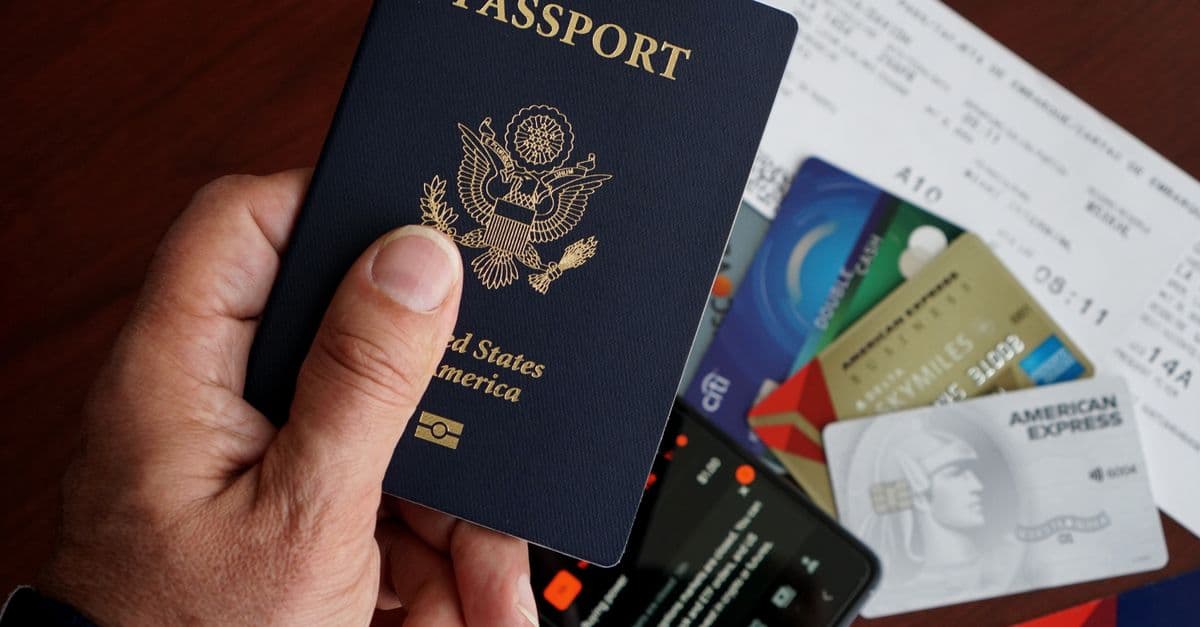
A general contractor e-files his 2026 return in February, sees it accepted, and then the refund tracker goes quiet for a month. In March a letter arrives: the IRS received a return filed with his name and Social Security number, and it will not process that return until he proves he is the person who sent it. That is IRS Letter 5071C, and the one instruction on it is to verify identity before the return goes anywhere. It is the rare IRS notice where the whole delay sits on his side of the table.
An identity hold, not a bill.
The official title of the CP5071 series is Potential Identity Theft During Original Processing with Online Option, which is the whole situation in one line. A filter scored the return as possibly filed by somebody who is not you, and the Taxpayer Protection Program froze it before any refund could leave. The procedures are in IRM 25.25.6. Nothing has been assessed or proposed, and the letter itself carries no penalty and no interest.
That makes it a different animal from the two notices people confuse it with. A CP05 is a verification hold that asks you for nothing and tells you to wait 60 days. A CP2000 proposes a change to your numbers and gives you 30 days to argue. A 5071C does neither: it asks for proof that you are you, and it is the only one of the three where sitting still accomplishes nothing.
IRS Letter 5071C: verify identity online, by phone, or in person.
Online is the fast door and the one the letter steers you to. The service covers Letters 5071C, 5747C, and 5447C, and it runs 24 hours a day. Have the control number, the return the letter names, a prior-year return, and a driver's license, state ID, or passport ready to upload. The IRS online account runs its identity proofing through ID.me, which is where the friction lives: if the photo match fails, the fallback is a live video call with an agent rather than a dead end.
Phone is the second door. Letter 4883C is the version of this notice with no online option at all, and it tells you to call 800-830-5084. Budget most of an hour and have the letter, both returns, and the W-2s and 1099s behind them in front of you. The assistor asks questions off the return, so guessing from memory ends the call badly.
Letter 5747C is the third door and the slow one: it generally takes an appointment at a Taxpayer Assistance Center, booked at 844-545-5640. Bring the letter, the return it names, the prior-year return with its W-2s and 1099s, a government photo ID, and a second document tying you to your address, such as a mortgage statement, a lease, a utility bill, or your Social Security card. One piece of ID is not enough.
What ignoring the letter actually costs.
There is no penalty for answering late, which is why the 30 days get treated as a suggestion. The consequence lives in the processing rules instead: until you verify, the IRS will not process the return and will not pay the refund. If the silence runs long enough, IRM 25.25.6 moves the return to MFT 32 or deletes it, so the return you filed stops counting as filed. The Taxpayer Advocate reported legitimate taxpayers who never received a tax year 2020 refund for exactly that reason.
That is the part worth taking seriously, because a deleted return does not pause the refund clock. IRC §6511(a) allows three years from the filing date or two years from payment to claim a refund, and withheld tax counts as paid on the due date. Discover the problem four years later and the money is gone on the statute, not on the merits.
A long hold does come with one small consolation. §6611(e)(1) lets the IRS pay a refund with no interest when it goes out inside 45 days of the later of the due date or the filing date. Past that, interest runs from April 15, because §6513(b)(1) treats wage withholding as paid on the due date, at the 7% rate the IRS held flat for the quarter beginning October 1, 2026 in Rev. Rul. 2026-15. Nobody should want to earn it. Verification handled the day the letter arrives usually gets the refund out inside the 45 days and pays nothing, which is the better result.
- Return e-filed
- February 9, 2027
- Date on Letter 5071C
- March 2, 2027
- Verified online the next day, refund paid nine weeks later
- May 5, 2027
- Interest the IRS owes on that refund
- $0
- Verified instead on June 15, refund paid nine weeks later
- August 17, 2027
- Interest at 7% compounded daily over 124 days
- $149
- Federal tax on that interest, 22% bracket
- $33
- Interest kept after tax
- $116
- Days of refund traded away to earn it
- 104
- Refund if the letter is never answered at all
- $0
Tax year 2026 federal return, single filer, refund entirely from wage withholding, no state tax. Both paths assume the IRS takes the full nine weeks it asks for after verification. Withholding is deemed paid April 15, 2027 under IRC §6513(b)(1), and §6611(e)(1) allows no interest when the refund is issued within 45 days after the later of the unextended due date or the filing date, which is May 30, 2027 on these facts. Interest is figured at the 7% individual overpayment rate set for the quarter beginning October 1, 2026 in Rev. Rul. 2026-15 and held flat, since the 2027 quarterly rates are not published yet. §6611(b)(2) lets the IRS stop the clock up to 30 days before it issues the refund, which would cut the $149 to $113. Interest the IRS pays is taxable in the year received. The last line assumes the return is moved to MFT 32 or deleted under IRM 25.25.6 and never refiled.
The answer that starts a much longer wait.
The verification has two possible answers, and one of them is not a delay. If you did not file the return the letter describes, you say so in the service or on the call, and that statement is the report. The IRS is explicit that you should not file Form 14039, the identity theft affidavit, after one of these letters. Saying you did not file it in the verification service replaces it.
Then the file moves to Identity Theft Victim Assistance, and the honest number there is bad. The Taxpayer Advocate's Fiscal Year 2027 Objectives Report, delivered in June 2026, put the average time to close one of those cases at 600 days in fiscal 2026. You still file your own return, on paper, and the refund waits behind the case. Answering the letter the week it arrives is the only lever you control, because the 600 days start whenever you start them.
The six digits that stop the repeat.
A return flagged once tends to get flagged again, and the fix is an Identity Protection PIN (a six-digit number that a return filed under your Social Security number then has to carry). Any taxpayer can opt in, not just confirmed victims. Request it in your IRS online account, or on Form 15227 (Rev. January 2026) if the proofing there fails and the adjusted gross income on your last filed return is under $84,000, or $168,000 on a joint return. That route takes four to six weeks. The PIN covers one calendar year, the next one arrives on a CP01A notice each January, and once you have one, an e-filed return without it gets rejected rather than stolen.